
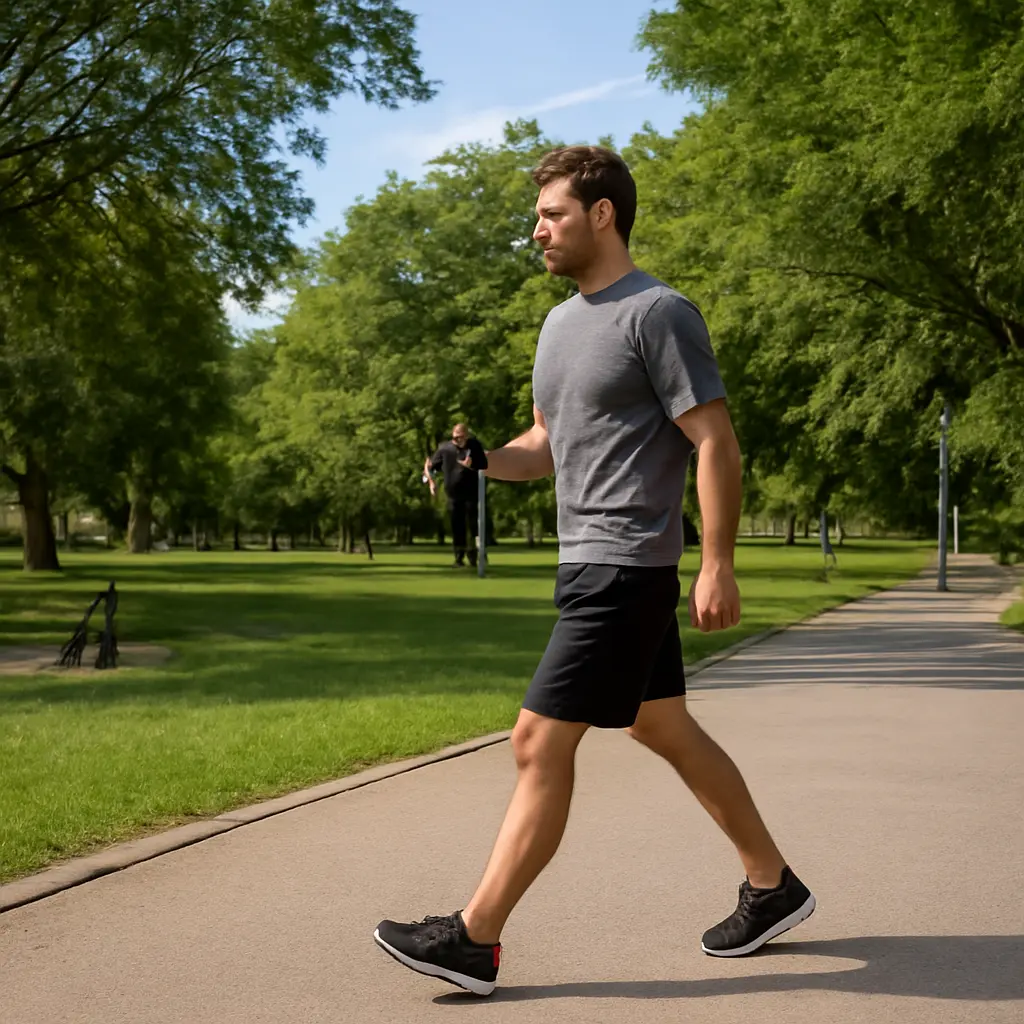
Physical activity and nutrition are connected parts of health: food provides energy and nutrients, while movement uses energy and helps the body build strength, endurance, and resilience. Treating them as separate problems can make healthy routines harder to sustain. A more useful approach is to coordinate eating, exercise, recovery, and individual goals—without assuming that one diet or workout plan fits everyone. The World Health Organization recommends that adults get 150–300 minutes of moderate aerobic activity, or 75–150 minutes of vigorous activity, each week; nutrition and recovery help make that activity practical and sustainable.
Integrating Fitness and Nutrition as One Health Strategy
An integrated fitness-and-nutrition strategy is a coordinated approach to physical activity, food, hydration, and recovery in service of shared health goals. It does not mean counting every calorie or following a rigid meal schedule. It means recognizing that training affects energy and nutrient needs, while food choices can influence energy availability and recovery. The Academy of Nutrition and Dietetics, Dietitians of Canada, and the American College of Sports Medicine describe nutrition as an important part of supporting exercise performance and recovery, while emphasizing that needs vary by person and activity.
The public-health case is substantial. The World Health Organization says regular physical activity benefits physical and mental health, yet an estimated 31% of adults worldwide did not meet recommended activity levels in 2022. Meanwhile, the Centers for Disease Control and Prevention reports that more than two in five U.S. adults have obesity. These figures describe different, overlapping challenges—not proof that individual outcomes are caused by a single behavior. Together, they show why realistic plans should address movement, food access, health conditions, and daily routines rather than treating exercise and eating as unrelated fixes.
A shared goal, not two competing plans
Fitness and nutrition work best as complementary tools. For example, someone building strength may need a progressive resistance-training plan and enough food to support training and recovery. Someone seeking better cardiovascular health may combine regular aerobic activity with a dietary pattern rich in vegetables, fruit, legumes, whole grains, and other nutrient-dense foods. The goal is not to prescribe a specific menu, but to make eating and activity choices reinforce the same outcome.
Different measures capture different progress
Weight is only one measure of health, and it does not reveal fitness, strength, dietary quality, or how a person feels. Depending on the goal, useful indicators may include activity minutes, strength or mobility, sleep, energy, blood pressure, or relevant clinical measures taken with a health professional. Using several measures can help prevent a scale-focused plan from overlooking meaningful gains.
Matching Nutrition to Training and Recovery
Nutrition that supports exercise is not a single “sports diet.” It is a set of adaptable practices involving adequate energy, varied nutrient-dense foods, hydration, and meal timing suited to the person and activity. The National Academies’ Dietary Reference Intakes provide population-level guidance, while sports-nutrition recommendations account for training demands. Neither replaces individualized clinical advice, particularly for people with medical conditions, food insecurity, a history of disordered eating, or unusually demanding training.
Energy availability and daily needs
Energy availability describes the energy left for the body’s functions after exercise expenditure is considered. Persistently eating too little relative to training can impair health and performance; adding exercise without considering food and recovery may therefore backfire. At the same time, energy needs differ with body size, age, activity, health, and goals. A universal calorie target is not appropriate for everyone, and people concerned about under-fueling or unexplained changes in health should seek guidance from a qualified clinician or registered dietitian.
Carbohydrate, protein, and a balanced eating pattern
Carbohydrate helps supply energy for many forms of exercise, while protein supports tissue maintenance and repair. Fat, vitamins, minerals, and fiber also contribute to overall health. The International Society of Sports Nutrition’s position stand notes that protein needs can be higher for people who exercise, although the appropriate amount depends on the individual and training context. Rather than relying on supplements or a single “performance” food, most people can start with regular meals built from varied, minimally processed foods and adjust with professional support when needed.
Hydration and timing
Hydration means replacing fluids in a way that reflects an individual’s activity, environment, and sweat losses. Water is generally suitable for routine daily needs, while prolonged or intense exercise in heat may require a more tailored fluid and electrolyte plan. Meal timing is similarly context-dependent: a convenient meal or snack before activity may help some people feel fueled, and a meal afterward can contribute to recovery. There is no requirement for everyone to eat within a narrow post-workout “window”; consistent overall intake matters more than a rigid clock for most recreational exercisers.
Building a Sustainable Fitness-and-Food Routine
A sustainable plan connects behaviors to a person’s schedule, preferences, resources, and health needs. The Dietary Guidelines for Americans emphasize healthy dietary patterns across the lifespan, while the World Health Organization’s activity guidance includes aerobic activity and muscle-strengthening work. These frameworks can be translated into small, repeatable habits rather than an all-or-nothing overhaul.
Start with the minimum effective routine
For an inactive adult, a manageable starting point may be short walks, gradually increased over time, alongside one practical food habit such as adding fruit or vegetables to a meal. The CDC advises adults to aim for at least 150 minutes of moderate-intensity activity weekly and muscle-strengthening activity on two days, while noting that some activity is better than none. These are population guidelines, not a test of personal worth or a substitute for adapting activity to ability and medical advice.
Use planning to connect meals and movement
A simple weekly plan can pair workouts with realistic food and recovery arrangements. A person who exercises after work might keep a convenient snack available, plan a balanced evening meal, and protect time for sleep. Someone with limited food access may prioritize affordable staples, community resources, or support from a social-service professional rather than being handed an unrealistic meal plan. The best plan is one that can be repeated under ordinary conditions.
Track patterns, then adjust
A brief record of activity, meals, sleep, and how the person feels can reveal useful patterns without requiring obsessive tracking. If workouts repeatedly feel difficult, recovery is poor, or hunger and fatigue become persistent, the answer may be to change training load, food intake, sleep, or all three. A registered dietitian, physician, or qualified exercise professional can help interpret these signals, especially when symptoms or chronic conditions are involved.
Real-World Application: A Coordinated Approach
Consider an office worker who wants more energy and better fitness but has little time for meal preparation. A disconnected approach might prescribe daily intense workouts and a restrictive diet. An integrated approach could instead begin with brisk walks during the week, two brief strength sessions, and a few repeatable meals using convenient ingredients. The person can then monitor consistency, energy, and recovery and adjust gradually. This example is illustrative, not a clinical case study or a promise of a particular outcome.
The practical lesson is to coordinate the pieces: choose an activity that fits current ability, eat in a way that supports daily needs, and make room for recovery. If the person has diabetes, cardiovascular disease, pregnancy-related considerations, injury, or a history of disordered eating, a healthcare professional should help tailor the plan. Fitness and nutrition are connected, but good integration also respects individual circumstances.
Conclusion: Treat Fitness and Nutrition as Connected Habits
An integrated fitness-and-nutrition strategy connects activity, adequate nourishment, hydration, and recovery instead of treating them as separate challenges. Matching food to training, building a sustainable routine, and tracking more than weight can make health goals more practical. Start with one manageable change, build consistency, and seek qualified advice when your needs are medical or complex. For further guidance, consult the World Health Organization’s physical-activity recommendations, the Dietary Guidelines for Americans, and a registered dietitian or healthcare professional.
Sources: World Health Organization, Physical activity, https://www.who.int/news-room/fact-sheets/detail/physical-activity; World Health Organization, Global levels of physical inactivity in adults, https://www.who.int/news/item/26-06-2024-nearly-1.8-billion-adults-at-risk-of-disease-from-not-doing-enough-physical-activity; Centers for Disease Control and Prevention, Adult Obesity Facts, https://www.cdc.gov/obesity/data/adult.html; Academy of Nutrition and Dietetics, Dietitians of Canada, and American College of Sports Medicine, Nutrition and Athletic Performance, https://pubmed.ncbi.nlm.nih.gov/26920240/; National Academies of Sciences, Engineering, and Medicine, Dietary Reference Intakes, https://www.nationalacademies.org/our-work/dietary-reference-intakes; International Society of Sports Nutrition, Position Stand: Protein and Exercise, https://jissn.biomedcentral.com/articles/10.1186/s12970-017-0177-8; U.S. Department of Agriculture and U.S. Department of Health and Human Services, Dietary Guidelines for Americans, 2020–2025, https://www.dietaryguidelines.gov/; Centers for Disease Control and Prevention, Physical Activity Basics, https://www.cdc.gov/physical-activity-basics/guidelines/adults.html.


